


AleaSoft Energy Forecasting, July 22, 2026. High temperatures, geopolitical risk in the Strait of Hormuz, low stored gas levels and heat-related power plant outages are shaping a demanding summer for the European electricity markets. In this context, high prices and market volatility again bring to the forefront the need for well-designed risk hedging strategies backed by reliable electricity market price forecasting.
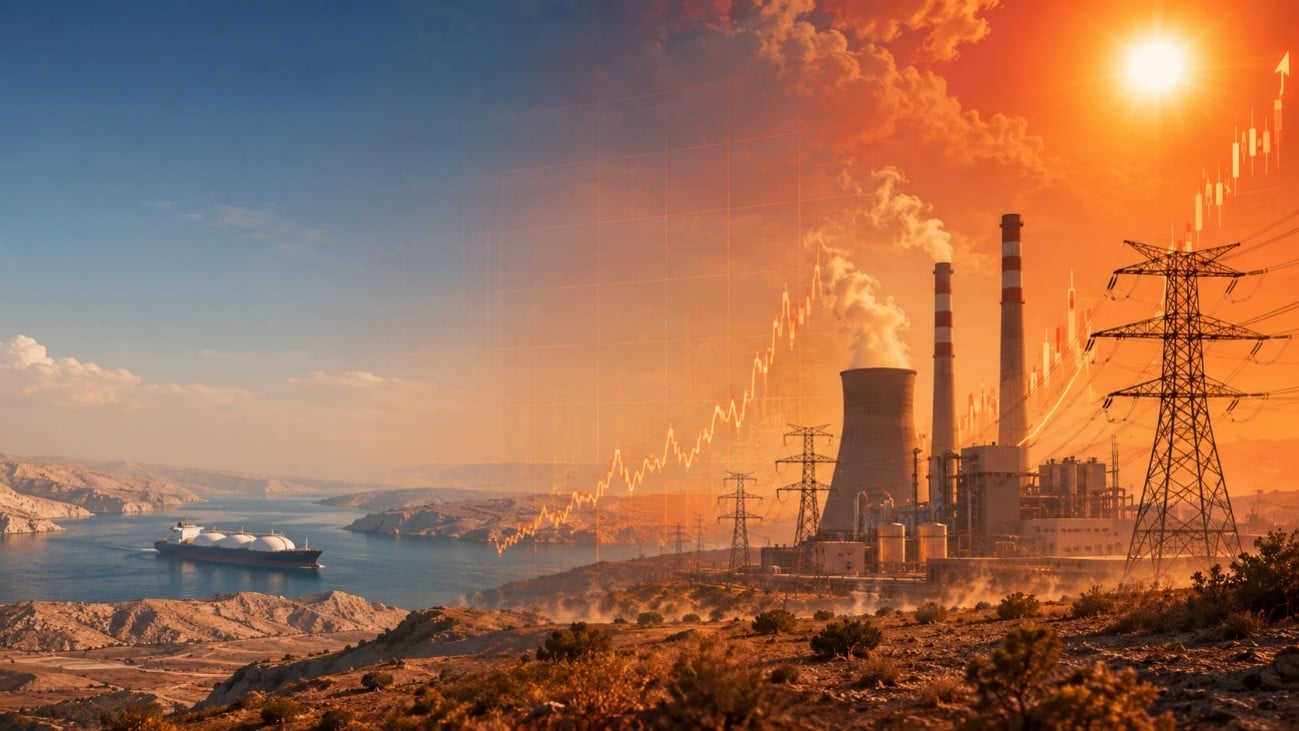
A summer that strains both supply and demand
Heatwaves affect the balance of the power system. On one hand, they increase electricity demand through the use of air conditioning, refrigeration and ventilation systems. On the other hand, they can reduce the availability of certain generation technologies and limit the capacity of electricity grids and other equipment.
The third week of July clearly showed this pressure. Weekly average prices exceeded €110/MWh in most of the main European electricity markets. The Italian market reached the highest average, above €160/MWh, while the Iberian market’s daily price rose above €138/MWh on July 15.
These levels were not the result of a single factor. Lower photovoltaic production in several markets, a fall in wind production in some countries, rising demand and more expensive gas coincided during the week. This accumulation of factors makes episodes of high prices difficult to manage without forecasting and risk control tools.
Hormuz: a distant risk with an immediate impact on Europe
The Strait of Hormuz once again shows that energy geopolitics has direct effects on the European electricity bill. This route carries an essential share of world oil trade and around a fifth of global liquefied natural gas trade, largely originating from Qatar.
Traffic restrictions, attacks on vessels or the possibility of a prolonged disruption introduce a risk premium into Brent prices and gas prices. For Europe, this situation is particularly relevant because natural gas remains the marginal technology in many hours and therefore has a decisive influence on the formation of electricity market prices.
The market does not need to wait for an actual disruption to react. A higher probability of supply problems is enough to push up futures, raise the cost of LNG and increase competition between Europe and Asia for available cargoes. In a hot summer, this pressure is amplified because electricity consumption rises and, with it, the need for gas-fired generation in the hours of lowest renewable production.
Possible heat-related outages add further pressure
Extreme temperatures can also affect supply. Some nuclear and thermal power plants need large amounts of water for cooling. When river temperatures are high, environmental restrictions can force operators to reduce output or temporarily halt units to avoid excessive impact on ecosystems.
These constraints have already materialised in France during recent heat episodes, with several nuclear reactors shut down or operating at reduced output. Even when the reductions are limited in scope, their impact can be significant when they coincide with high demand, lower wind or solar production and high gas prices.
The risk is not limited to power plants. Extreme heat can also reduce industrial productivity, disrupt schedules, raise cooling-related consumption and increase the likelihood of incidents in equipment and infrastructure. For large consumers, summer thus becomes an operational and financial stress test.
Hedging to protect margins
Faced with this scenario, simply waiting for prices to fall is not a strategy. Not hedging is also a market decision, since it means accepting the full volatility of the spot price.
Hedging strategies using futures, fixed-price contracts, PPAs or structures with collars and floors allow companies to reduce exposure, stabilise electricity costs and protect commercial margins. However, adequate hedging does not consist of fixing all consumption at the same price and at a single point in time. It must take into account the hourly profile, seasonality, demand flexibility, electricity self-consumption, energy storage and each company’s risk tolerance.
Contracting in layers and across different horizons tends to offer more robust protection than a single decision. It is also essential to avoid hedging concentrated solely on the solar product. For many industries, the greatest risk lies in the afternoon and evening hours, when photovoltaic production falls and prices can rise rapidly.
Forecasting and hedging as part of the industrial strategy
The current summer is a reminder that uncertainty cannot be eliminated, but it can be measured and managed. In markets with high prices and simultaneous risks such as heat, disruptions to traffic through the Strait of Hormuz or restrictions on generation, forecasting and hedging strategies stop being complementary tools and become part of the industrial strategy of retailers, utilities, generators and large consumers.
AleaBlue and AleaGreen forecasts for deciding with perspective
AleaSoft Energy Forecasting provides the energy sector with bankable forecasts that support both operational decisions and project investment and financing.
AleaBlue, the division of AleaSoft Energy Forecasting specialising in short- and mid-term forecasts, offers hourly forecasts with a horizon of up to three years, allowing users to analyse price scenarios, identify hedging windows and assess the risk associated with different purchasing strategies. This view is especially useful in periods when weather uncertainty, gas volatility and geopolitical risks coincide.
For investment and financing decisions, AleaGreen, the division of AleaSoft Energy Forecasting specialising in long-term forecasts, provides bankable electricity market price forecasting curves, confidence bands and probabilistic scenarios. These forecasts allow the valuation of renewable projects, batteries, hybrid systems, self-consumption and PPA contracts using consistent assumptions on prices, volatility and captured prices.
Source: AleaSoft Energy Forecasting